Property Damage
Help with Your Property Insurance Claim
Damage to your property can interrupt everyday life long after the immediate emergency has passed. Repairs need attention, expenses accumulate, and an insurance decision may leave you uncertain about what comes next. Hatfield Consumer Law helps property owners understand and address disputes over denied, delayed, or underpaid insurance claims.
Whether your loss involves a home or commercial property, a careful review starts with the policy, the damage, and the insurance company’s explanation. Contact Hatfield to discuss your claim and the records available to support it.
Property Damage Claims We Handle
Hurricane losses can involve roof damage, broken windows, damaged doors, and water entering the building. Disputes may concern the cause of the loss, the extent of repairs, or the deductible applied. Wind damage and flooding can involve different coverage, so identifying how the damage occurred matters.
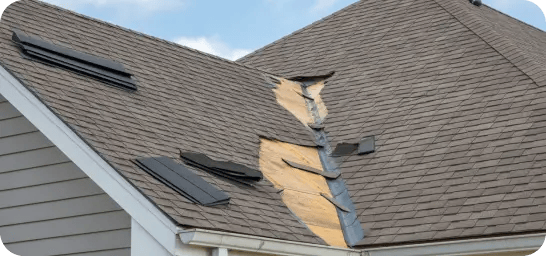
A roof claim should account for more than what is visible from the ground. Inspection findings, repair estimates, and the condition of affected materials can help explain the loss. We review disputes involving storm damage, repair scope, and whether a proposed repair adequately addresses the documented damage.
Water can affect ceilings, drywall, flooring, cabinetry, and materials concealed behind finished surfaces. The source and timing of the water intrusion can be central to a coverage decision. Photographs, moisture readings, and drying records can help explain both the initial damage and the work needed afterward.
A plumbing failure can create several distinct expenses: locating the problem, accessing the pipe, repairing the plumbing, and restoring damaged areas. Those expenses may be treated differently under a policy. A useful claim review separates each part of the work and examines the insurer’s reasons for limiting payment.
Cracked or deteriorated cast iron drain lines can lead to leaks, backups, and damage beneath floors. Camera inspections, plumbing reports, and a clear record of where water escaped can help establish what happened. Coverage disputes may involve the failed pipe itself, resulting property damage, and the work required to reach the affected area.
Mold claims often require a close look at the underlying moisture source and the policy’s specific terms. Testing and remediation records can describe the affected areas and proposed work. Whether a loss is covered, and how much coverage is available, depends on the policy and circumstances.
Fire losses may extend beyond burned materials. Smoke, soot, and firefighting water can affect other rooms and personal belongings. A thorough inventory and itemized restoration estimates help distinguish what can be cleaned from what may require replacement, while documenting any temporary living expenses.
Wind, hail, lightning, and fallen trees can damage a building’s exterior and allow water to enter. Some problems become apparent only during a closer inspection. Records connecting the observed damage to the event can help address disagreements about preexisting conditions or an incomplete repair estimate.
Damage to an office, shop, warehouse, or other business property can disrupt operations as well as the building itself. Commercial claims may involve equipment, inventory, tenant improvements, and business income coverage. The review should reflect the particular policy and the business records needed to explain each claimed loss.
When the Insurance Decision Does Not Address the Loss
An insurance payment or denial deserves a clear explanation. A disagreement may concern whether the event is covered, which areas were damaged, the cost of repair, or the documents needed to evaluate the claim. Reviewing those issues separately helps identify what remains unresolved.
- Denied claims: Compare the stated reason for denial with the policy language and available evidence.
- Underpaid claims: Review estimates for omitted work, quantities, materials, and other disputed costs.
- Delayed claims: Organize the communications and outstanding requests to understand the claim’s status.
- Additional damage: Document newly discovered issues and ask how they should be presented under the applicable claim process.
A disputed decision does not establish that every expense is covered. The purpose of the review is to understand the policy, clarify the facts, and evaluate the available options.
Build a Clear Record of Your Property Loss
Put safety first and report the loss promptly. When it is safe, photograph affected areas and keep a record of reasonable steps taken to prevent further damage. Save receipts and communicate with your insurer about inspection and documentation requirements.
For a consultation, gather your policy and declarations page, claim number, insurer letters, photographs, inspection reports, repair estimates, and invoices. A short timeline of the event, inspections, and communications can make the file easier to review. If some records are unavailable, explain what you have and what is still missing.
How Hatfield Can Help
A consultation provides an opportunity to explain the damage, the insurer’s response, and your concerns. Hatfield can review the available materials, identify disputed issues, and discuss potential next steps. The appropriate approach depends on the policy, evidence, claim history, and applicable requirements.
Deadlines can affect a claim and the options for challenging a decision. Do not assume that negotiations or an ongoing inspection extend a deadline. Raise timing questions early when discussing your claim.